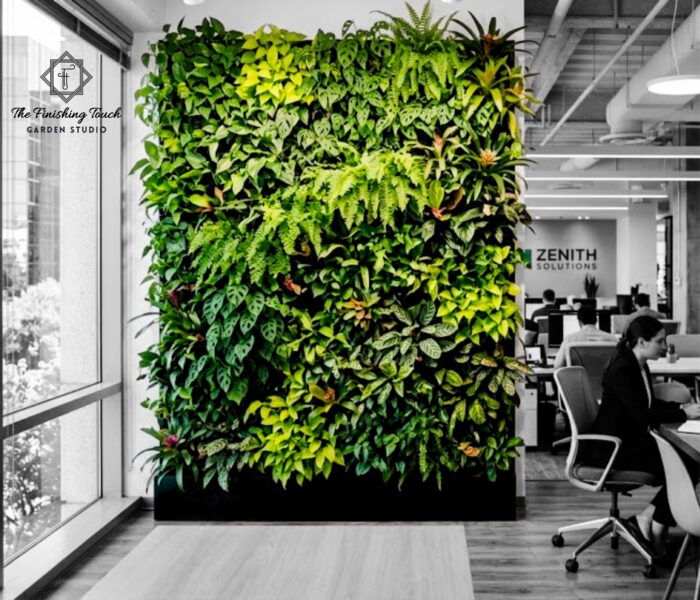
Vertical Garden Design not only enhances aesthetic appeal but also improves air quality and reduces noise pollution. Imagine transforming any space into a vibrant ecosystem that promotes well-being and creativity. By incorporating a vertical garden, you can create an inviting atmosphere that inspires productivity and relaxation alike. Don’t miss the opportunity to elevate your environment—invest in a vertical garden and experience the difference it can make. Living walls (or green walls) are more than just a Pinterest trend—they are a breath of fresh air for modern architecture. Whether you’re looking to boost office morale or turn a bland patio into a lush sanctuary, vertical gardens are the ultimate “living” upgrade.
Here is everything you need to know to get started.
Why Go Vertical?
Space is a luxury, but plants shouldn’t be. Vertical gardens allow you to pack hundreds of plants into a footprint of just a few square feet.
- Air Quality: Natural filters that strip toxins from the air.
- Acoustics: Plants naturally absorb sound, making them perfect for busy offices or echoes in hallways.
- Cooling: They act as natural insulation, reducing “urban heat island” effects.
- Well-being: Studies show that biophilic design reduces stress and increases productivity by up to 15%.
Choosing Your System
Not all green walls are built the same. Your choice depends on your space and how much “green thumb” energy you want to put in.
| System Type | Best For… | Maintenance Level |
| Tray/Pocket Systems | DIY enthusiasts and home balconies | Medium (Manual watering) |
| Hydroponic Felt | Large-scale commercial installs | High (Requires automated systems) |
| Modular Panels | Professional offices and retail | Low-Medium (Plug-and-play) |
3 Pro-Tips for a Thriving Wall
- Light is Non-Negotiable
Before buying a single fern, track the light. If you’re indoors, you will likely need LED grow lights to keep the wall from looking sparse.
- Choose the Right “Roommates”
Group plants with similar needs. Don’t pair a thirsty Peace Lily with a desert-loving Succulent.
- For Low Light: Pothos, Philodendrons, and Ferns.
- For Bright Light: Geraniums, Herbs, and Crotons.
- Plan Your Irrigation
A vertical garden dries out faster than a traditional pot. For larger installations, an automated drip irrigation system is a lifesaver. If you’re going manual, ensure your system has a drainage tray to protect your floors!
The Bottom Line: A green wall is a long-term investment in your environment. Start small, pick the right light, and watch your space come to life.
Ready to transform your walls? Contact our design team today for a custom consultation!